
© Copyright 2026 by
25
September
Best Skin Tightening Treatment in Dubai: XERF vs HIFU vs Morpheus8
Looking for the best skin tightening treatment in Dubai? The…
Dark circles under the eyes are among the most common aesthetic concerns we see at Estelaza Clinic — and among the most complex to treat effectively.
What appears as a single concern — a darkened, shadowed appearance beneath the eyes — is in reality the visible result of several entirely different underlying causes, each of which requires a different clinical approach.
Applying the wrong treatment to the wrong type of dark circles not only produces disappointing results, but in some cases can worsen the appearance. This is why accurate diagnosis — identifying precisely why your dark circles are there — is the most important first step in effective treatment.
At Estelaza Clinic in Dubai Silicon Oasis, our DHA-licensed doctors take a methodical, cause-first approach to dark circles under eyes treatment. We diagnose your specific dark circle type, understand the contributing factors, and design a treatment plan that addresses the real biology beneath the surface — not just what is visible on it.
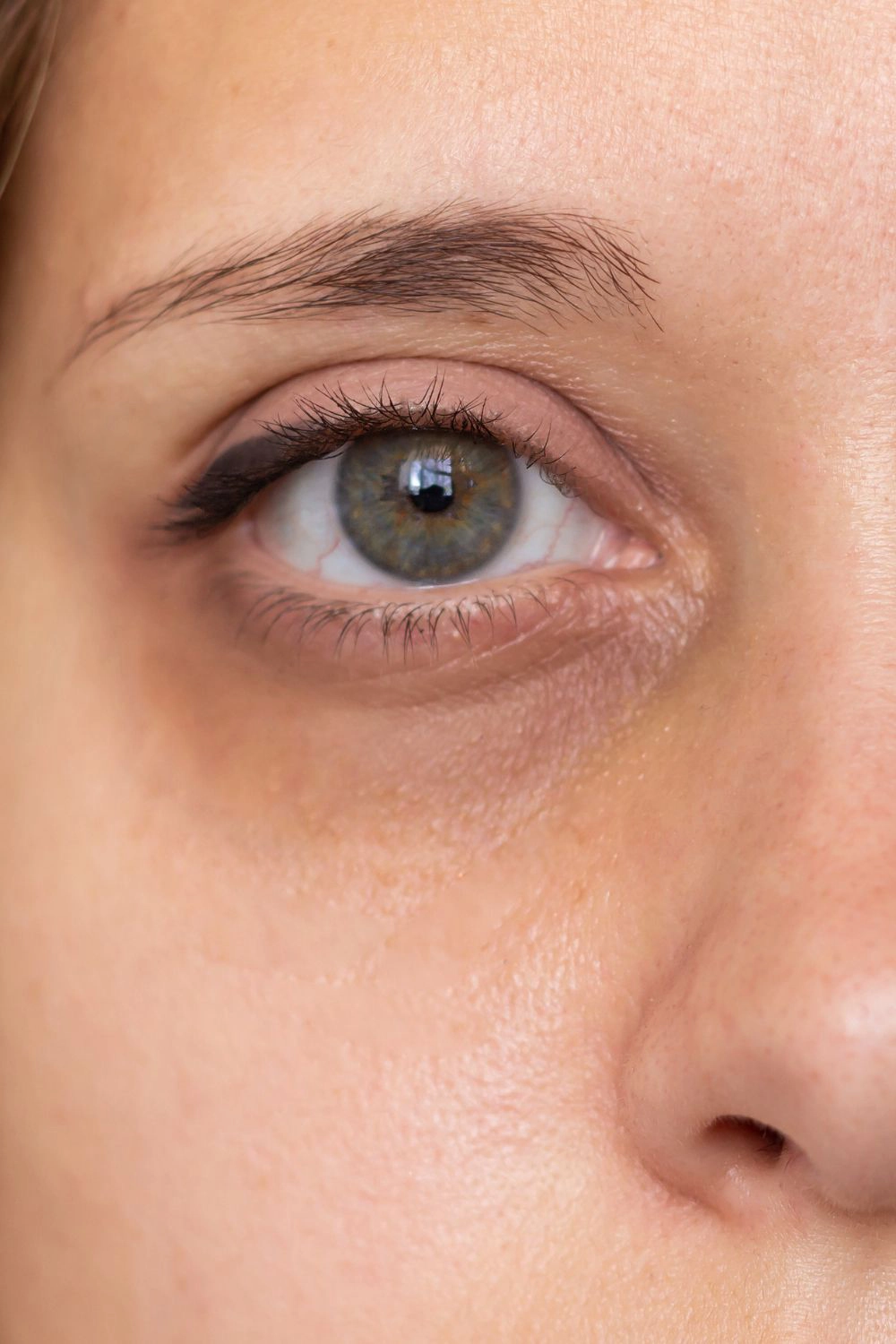
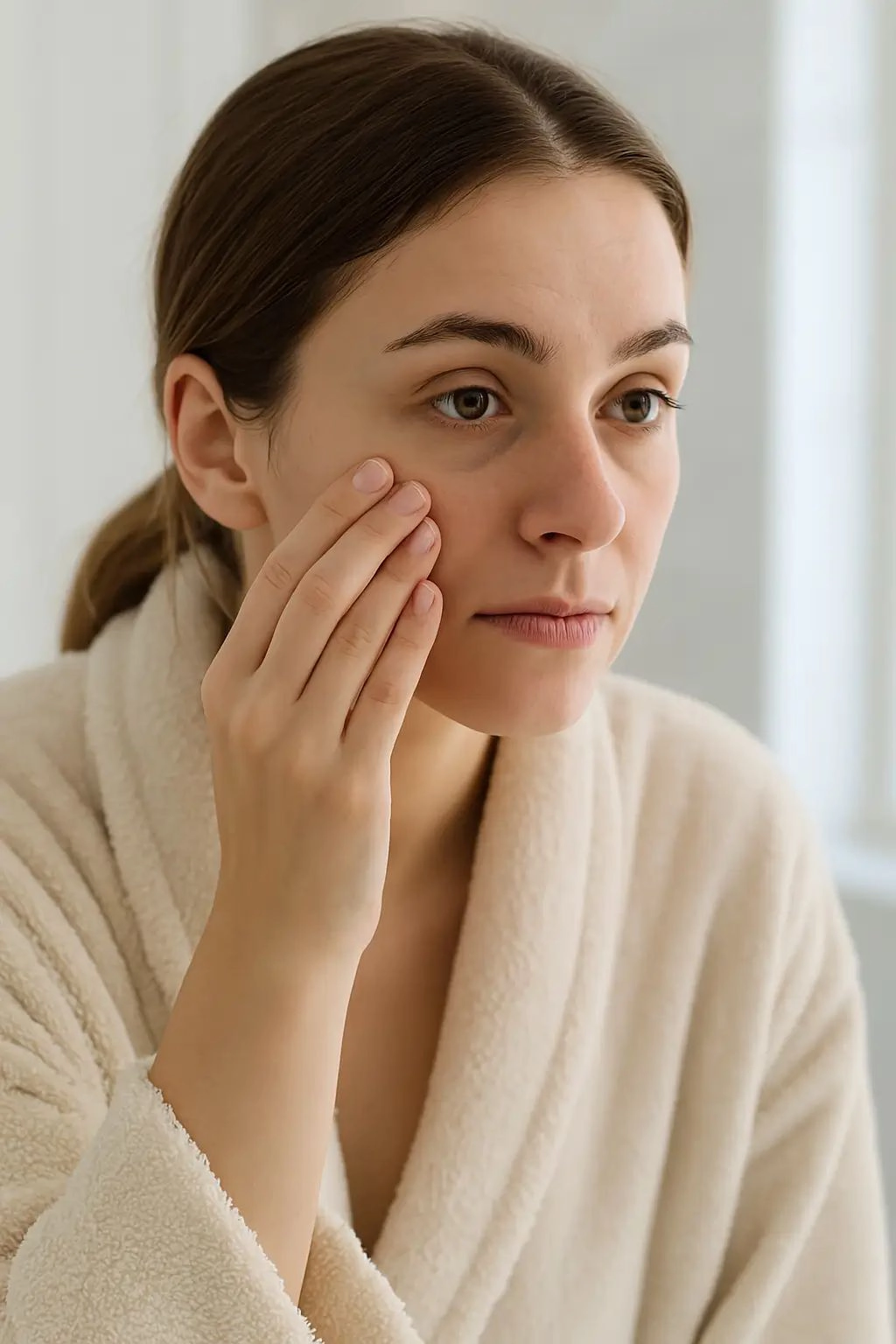
Dubai's environment and lifestyle create a near-perfect set of conditions for dark circles to develop and worsen:
This is the most clinically important section of your assessment — because the treatment that works for one type of dark circle is ineffective, or even counterproductive, for another.
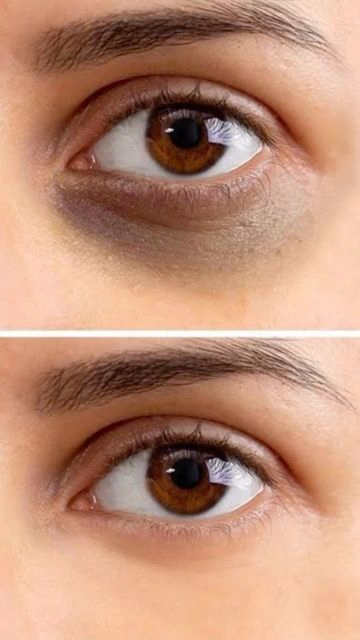
The most common type in Dubai's patient population. Caused by excess melanin deposition in the periorbital skin — either constitutively (genetically determined) or triggered by sun exposure, post-inflammatory changes, or chronic rubbing. Appears as a brown or dark brown discolouration of the under-eye skin. More prevalent in medium-to-dark skin tones — Fitzpatrick III–VI — making it the dominant dark circle type across the UAE's South Asian, Arab, and African communities. Responds to brightening treatments, chemical peels, laser toning, and topical depigmenting agents.
Caused by blood pooling in the thin-walled periorbital blood vessels, visible through the delicate under-eye skin. Appears as a bluish, purplish, or reddish-blue discolouration. More prominent with fatigue, allergies, screen time, and in patients with naturally thin or fair under-eye skin where the vessels are more visible. Responds to vascular laser treatment, improved lymphatic drainage, and lifestyle modifications addressing allergies and sleep quality.
Caused not by pigmentation or blood vessels, but by the loss of volume and fat in the under-eye area — creating a hollow, shadowed trough beneath the eye that casts a dark shadow across the lower lid. As the face loses volume with age, the tear trough deepens and the shadow worsens — even in patients with no pigmentation or vascular component at all. Responds to volumising treatments — dermal fillers, PRF, or exosomes — that restore lost volume and lift the shadow-creating hollow.
Caused by loose, lax lower eyelid skin that creates folds, bags, and shadowing in the periorbital area. The skin thins and loses elasticity with age and UV damage — and the resulting shadows and folds produce a tired, darkened appearance regardless of the actual skin colour. Responds to skin-tightening treatments — RF, laser, or in more advanced cases, blepharoplasty — that restore firmness and reduce the shadow-casting laxity.
The most common presentation in clinical practice. Most patients have a combination of two or more of the above types — for example, pigmented circles worsened by a structural tear trough hollow, or vascular circles compounded by skin thinning and laxity. Mixed types require a staged combination approach addressing each contributing factor in sequence.
Your treating doctor will select the most appropriate treatment — or combination — based on your dark circle type, skin tone, anatomy, and lifestyle factors identified at consultation.
Hyaluronic acid filler is carefully injected into the tear trough to restore lost volume, lift the hollow that creates shadowing, and smooth the transition between the lower eyelid and the cheek. One of the most immediately effective treatments for structural dark circles caused by volume loss. Results are visible immediately and last 9–18 months. Requires precision injection technique and a thorough anatomical assessment — the under-eye area is one of the most technically demanding injection zones in aesthetic medicine.
Platelet Rich Fibrin is injected into the tear trough and periorbital zone as a natural, additive-free alternative to synthetic filler. PRF simultaneously restores mild volume, improves skin quality, stimulates collagen production, and brightens the skin — making it effective for patients with both a structural and pigmentary component to their dark circles. Ideal for patients seeking a biological approach without synthetic materials.
The Q-switched Nd:YAG laser selectively targets melanin in the periorbital skin — breaking down pigment deposits that contribute to brown discolouration under the eyes. Settings are calibrated with particular care in this delicate zone and for darker skin tones where laser-induced PIH must be avoided. A course of 4–6 sessions produces progressive brightening of pigmented dark circles.
Very gentle, carefully formulated brightening peels using mandelic acid, lactic acid, or low-concentration AHAs reduce periorbital pigmentation, improve skin texture, and progressively even the under-eye skin tone. Peel selection and concentration for the periorbital area requires specific expertise — the under-eye skin is the thinnest on the face and cannot tolerate the same acid concentrations used elsewhere.
RF energy tightens loose, lax lower eyelid skin by stimulating collagen and elastin production in the dermis. Effective for dark circles driven by skin sagging, fine lines, and loss of firmness in the periorbital area. Zero downtime and a gradual, natural-looking improvement over 4–8 weeks following each session.
Exosomes derived from mesenchymal stem cells deliver a powerful regenerative signal into the thin periorbital skin — stimulating collagen production, improving skin quality and thickness, regulating melanin activity, and reducing vascular permeability. A next-generation option for patients with multiple contributing factors or highly sensitive periorbital skin that does not tolerate more aggressive approaches.
Prescription-strength topical agents — including retinol, vitamin C, azelaic acid, kojic acid, and tranexamic acid — are incorporated into a personalised under-eye home-care programme to sustain and extend in-clinic results. These formulations are selected and dosed specifically for the delicate periorbital area, where many standard brightening products are too irritating to use safely.
Vascular Laser for Bluish Dark Circles
Targeted vascular laser — including Nd:YAG or pulsed dye laser — selectively coagulates and collapses the dilated periorbital blood vessels responsible for the bluish or purplish discolouration of vascular dark circles. Most effective for patients with fair to medium skin tones where vessel visibility is the dominant contributing factor.
For patients with mixed-type dark circles — the most common presentation — a structured programme combining two or more modalities delivers the most comprehensive and lasting improvement. A typical combination programme might pair tear trough filler for structural hollowness with laser toning for the pigmentary component, followed by PRF to improve overall skin quality and thickness.
Step 1 — Medical Consultation and Under-Eye Assessment
A DHA-licensed doctor performs a detailed clinical assessment of the periorbital area — assessing skin colour, skin thickness, volume loss, vascular visibility, and skin laxity under standardised lighting. We identify your specific dark circle type or combination and the primary contributing factors driving the concern.
Step 2 — Treatment Planning
A personalised plan is designed — specifying the modalities, their sequence, session spacing, and the medical home-care programme. For mixed-type dark circles, the plan addresses each contributing factor in a logical clinical sequence.
Step 3 — In-Clinic Treatment
Your selected protocol is performed. Filler and injection-based treatments take 30–45 minutes. Laser and RF sessions are typically 20–40 minutes for the periorbital area. Topical numbing cream is applied before all procedures in this sensitive zone.
Step 4 — Post-Treatment Care
A soothing serum and broad-spectrum SPF 50+ are applied following every session. Specific aftercare instructions for the periorbital area — which is prone to swelling and bruising after injection-based treatments — are provided in detail.
Step 5 — Follow-Up and Maintenance
We review your results at each follow-up appointment and adjust the plan as needed. Most patients achieve optimal results over 2–4 sessions, with maintenance treatments scheduled based on the modalities used and the natural progression of the underlying causes.
Dark Circle Type / Concern | Suitability |
Pigmented (brown) dark circles | ✔ Excellent candidate |
Tear trough hollowness and volume loss | ✔ Excellent candidate |
Vascular (bluish/purplish) dark circles | ✔ Good candidate |
Under-eye skin laxity and fine lines | ✔ Good candidate |
Mixed-type dark circles | ✔ Good candidate — combination programme recommended |
Mild to moderate under-eye bags | ✔ Good candidate — filler or RF may help |
Severe under-eye bags or excess fat prolapse | ⚠ Surgical assessment may be required — consult doctor |
Pregnant or breastfeeding | ⚠ Certain treatments not advised — consult doctor |
Blood thinning medication | ⚠ Bruising risk increased with injections — inform doctor |
Active periorbital skin infection or eczema | ✘ Not suitable until resolved |
Very thin or damaged periorbital skin | ⚠ Modified protocol required — inform doctor |
Dark circles and eye bags are related but distinct concerns, and it is important to understand which — or both — you are dealing with:
Feature | Dark Circles | Eye Bags |
Primary cause | Pigmentation, volume loss, vascular visibility, laxity | Fat compartment prolapse, fluid retention, skin laxity |
Appearance | Darkened or shadowed area under the eye | Puffiness or bulging below the lower eyelid |
Best treatment | Filler, laser, PRF, RF, brightening peels | RF, filler, lymphatic drainage, surgical blepharoplasty for severe cases |
Often coexist? | Yes — shadows from bags are frequently mistaken for or worsen dark circles |
Many patients have both — and treating one without addressing the other often produces a less satisfying result. Your doctor will assess both the periorbital hollow and the lower eyelid structures during your consultation.
Periorbital hyperpigmentation is significantly more prevalent — and more pronounced — in patients with medium-to-dark skin tones. The South Asian, Arab, and East African communities that make up a large proportion of Dubai's population are disproportionately affected by pigment-driven dark circles, often beginning in early adulthood and worsening with age and sun exposure.
Treating periorbital pigmentation in darker skin requires specific expertise for two critical reasons:
The sustained release of growth factors from your PRF fibrin matrix continues for up to two weeks post-treatment. Supporting this biological process during the recovery period maximises your results:

The combination of genetic predisposition in Dubai's diverse patient population, intense UV exposure, chronic dehydration, demanding work culture, and the complex anatomy of the periorbital zone makes dark circles one of the most nuanced aesthetic concerns to treat well in this city.
At Estelaza Clinic in Dubai Silicon Oasis, we invest in accurate diagnosis before recommending any treatment — because dark circles caused by pigmentation, volume loss, vascular prominence, and skin laxity each require a fundamentally different clinical approach, and confusing them leads to wasted time, money, and in some cases worsened outcomes.
Our doctors are experienced in treating periorbital concerns across the full spectrum of skin tones found in the UAE and GCC — from fair European and Levantine tones to medium South Asian and dark East African skin. The tear trough area demands precise injection technique, and all filler and PRF treatments at Estelaza Clinic are performed by DHA-licensed doctors with specific training in periorbital anatomy.
We operate under DHA facility licensing and treat all patients under direct physician supervision. Our DSO location is easily accessible from major Dubai highways with complimentary parking available.
Dark circles are not always caused by lack of sleep. In many patients — particularly those with medium-to-dark skin tones — the primary driver is pigmentation, volume loss, or thin skin that allows underlying blood vessels to show through. These causes exist independently of sleep quality and require clinical treatment rather than lifestyle changes alone. A medical assessment is the only reliable way to identify which cause is driving your specific dark circles.
There is no single best treatment — because dark circles have multiple distinct causes requiring different approaches. Tear trough filler addresses structural hollowness. Laser toning targets pigmentation. PRF improves both mild volume and skin quality. Vascular laser treats bluish discolouration from visible vessels. RF tightens lax skin. The most effective approach for most patients is a combination targeting all contributing factors identified at your consultation.
Tear trough filler is one of the most technically demanding procedures in aesthetic medicine due to the delicate anatomy of the periorbital area — proximity to the eye, thin skin, and a complex vascular network. When performed by an experienced, DHA-licensed doctor using the correct filler product and injection technique, it is safe and produces natural-looking results. At Estelaza Clinic, all filler treatments are performed by licensed doctors with specific training in periorbital anatomy.
This depends on the modality. Tear trough filler typically lasts 9–18 months. PRF results develop over 6–8 weeks and are maintained with sessions every 6–12 months. Laser toning and brightening results last 4–6 months with consistent SPF use, and longer with maintenance sessions. RF skin-tightening results typically last 6–12 months. Your doctor will advise on the maintenance schedule for your specific treatment plan.
Permanent elimination is not realistic for most types of dark circles — particularly pigmented and structural types which are influenced by genetics, ageing, and ongoing UV exposure. However, a well-designed treatment programme combined with consistent home care and sun protection can maintain a significantly improved appearance long-term. Many patients achieve results that, with regular maintenance, remain consistently better than their pre-treatment baseline.
Yes — when performed by a clinician experienced in treating medium-to-dark skin tones and using appropriately calibrated protocols. Periorbital pigmentation is particularly common in South Asian and Arab skin types, and our doctors are specifically experienced in treating these presentations safely — selecting laser settings, peel concentrations, and topical formulations that are effective without triggering post-inflammatory hyperpigmentation in the sensitive under-eye area.
number of sessions in your plan. We provide transparent, upfront pricing following your consultation. Contact our team or visit Estelaza Clinic in Dubai Silicon Oasis for a personalised periorbital assessment and quote.
Your experiences mean the world to us! At Estelaza Clinic, we love hearing how our treatments make a positive difference in your life. Every review helps us grow, improve, and keep delivering the care you deserve. Thank you for trusting us on your beauty and wellness journey.
EXCELLENTTrustindex verifies that the original source of the review is Google. مكان جدا رائع وخدمه ممتاز شكرا للكادر الطبي والدكتورة ميرل عنجد شغل يجنن مبسوط كتير با النتيجهPosted on GoogleTrustindex verifies that the original source of the review is Google. Dr nouf is the best love her honestly and the staff very friendly and helpfulPosted on GoogleTrustindex verifies that the original source of the review is Google. Lovely stuff and doctor I’m happy with my resultsPosted on GoogleTrustindex verifies that the original source of the review is Google. I had fantastic experience in Estelaza clinic. Staff is very professional and welcoming. Dr Nouf has the most gentle hands. She did a magic contouring my face: (chin, cheeks, jaws) and gave super natural volume to my lips. I feel 10 years younger and super glowy and fresh. Can’t wait to be back after the summer. Thank youPosted on GoogleTrustindex verifies that the original source of the review is Google. كانت تجربتي في العيادة مميزة للغاية، حيث يتميز الطاقم بالرحابة وحسن التعامل، والمواعيد مرنة ومنظمة. كما أن الدكتورة نوف محترفة وهادئة في إجراءاتها التجميلية غير الجراحية. أنصح بشدة بزيارة العيادة، فهي تستحق الثقة والتجربة. 🤍
Looking for the best skin tightening treatment in Dubai? The…
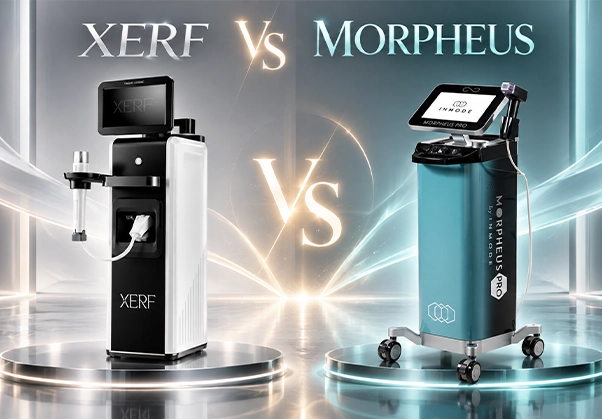
XERF vs Morpheus8 is one of the most common questions…
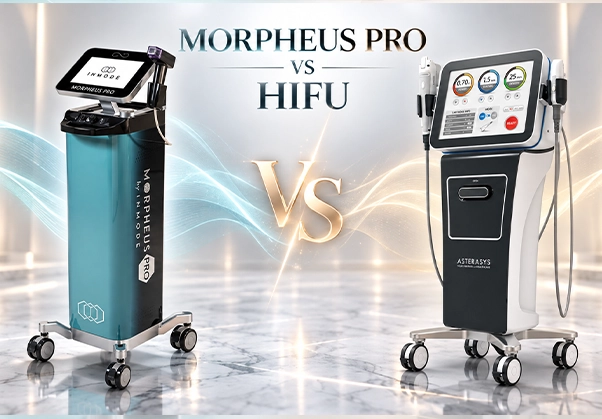
When patients ask about Morpheus8 vs HIFU, they usually want…

Saturday to Thursday: 10:00 to 19:00
Friday: 14:00 to 21:00
© Copyright 2026 by
WhatsApp us