
© Copyright 2026 by
9
November
Aesthetic Clinic Near Me: How to Choose the Right One in Dubai
Searching for an aesthetic clinic near me in Dubai can…
Leading Melasma Treatment in Dubai at Estelaza Clinic
Looking for melasma treatment in Dubai? Melasma causes brown or grey-brown patches, often on the cheeks, forehead and upper lip, and it is influenced by hormones, sun and heat. It is chronic and tends to come back, so the goal of melasma treatment is to fade it and keep it under control. At Estelaza Clinic in Dubai Silicon Oasis, our DHA-licensed doctors plan gentle, step-by-step care, with sun protection at its centre. See our pigmentation treatments, Cosmelan peel and chemical peel pages, or book a melasma consultation.


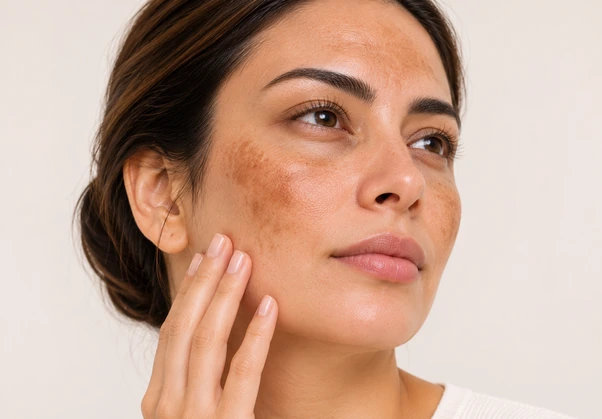
Melasma is a common pigmentation disorder characterized by symmetrical brown or gray-brown patches that typically appear on the face. The condition most commonly affects the cheeks, forehead, bridge of the nose, upper lip, and chin, creating a distinctive pattern that can significantly impact your appearance and self-esteem.
Unlike other forms of hyperpigmentation, melasma is particularly challenging to treat because it involves complex interactions between melanocytes (pigment-producing cells), hormones, UV radiation, and heat. The condition occurs when melanocytes become overactive and produce excessive melanin in response to various triggers.
Melasma is especially prevalent in Dubai due to intense year-round sun exposure, high temperatures, and the city’s diverse population, which includes many individuals with skin types naturally prone to this condition. Women are significantly more affected than men, with hormonal factors playing a major role in melasma development.
At Estelaza Clinic, we recognize that melasma is not simply a cosmetic concern but a medical condition that requires expert diagnosis and treatment. Our specialists use advanced diagnostic tools, including Wood’s lamp examination and skin analysis imaging, to determine the depth and extent of your melasma before recommending the most effective melasma treatment approach.
Understanding the type of melasma you have is essential for effective treatment planning.
affects the upper layers of skin and appears as dark brown patches with well-defined borders. This type responds best to treatment as the pigment is more accessible to topical and light-based therapies.
occurs in deeper skin layers and appears as light brown or bluish-gray patches with less defined borders. This type is more challenging to treat because the pigment sits deeper in the skin structure.
combines both epidermal and dermal components, showing both brown and bluish-gray discoloration. This is the most common type and requires comprehensive treatment approaches. Melasma develops from various triggers, often working in combination. Hormonal changes represent a primary cause, which is why melasma is sometimes called "the mask of pregnancy." Pregnancy hormones, oral contraceptives, hormone replacement therapy, and thyroid dysfunction can all trigger melasma development. Sun exposure is both a trigger and an aggravating factor, as UV radiation stimulates melanocyte activity. Heat exposure, particularly relevant in Dubai's climate, can worsen melasma independently of UV radiation. Genetic predisposition plays a significant role, with melasma running in families and being more common in certain ethnic groups. Skin inflammation from harsh skincare products, aggressive treatments, or skin trauma can trigger or worsen melasma.
Advanced Melasma Treatment Options Estelaza Clinic offers a comprehensive range of evidence-based treatments specifically designed to address stubborn melasma. Our approach combines multiple modalities for optimal results.

What sets Estelaza Clinic apart as a leading provider of melasma treatment in Dubai is our comprehensive, individualized approach that addresses the unique challenges of this complex condition.
Our dermatologists have extensive experience treating melasma across all skin types, with particular expertise in Middle Eastern, South Asian, and Asian skin tones that are most prone to this condition. We understand that treating melasma in darker skin requires good care to avoid triggering post-inflammatory hyperpigmentation or worsening the condition.
We utilize modern diagnostic technology to assess your melasma thoroughly before treatment. Advanced imaging systems reveal pigment depth and distribution beneath the skin’s surface, allowing us to create truly customized treatment protocols.
Our philosophy emphasizes gentle, consistent treatment over aggressive approaches. We’ve learned that melasma responds better to steady, conservative treatments that work with your skin rather than against it. Aggressive treatments often cause inflammation that triggers rebound hyperpigmentation, making the condition worse.
We also recognize that successful melasma treatment requires more than just procedures. Our comprehensive approach includes identifying and addressing your specific triggers, creating customized home care regimens with medical-grade products, providing extensive sun and heat protection guidance, managing hormonal factors when relevant, and offering long-term maintenance strategies to prevent recurrence.
Patient education is central to our approach. We ensure you understand your condition, why certain treatments are recommended, what results you can realistically expect, and how to maintain improvements long-term.
Melasma rarely responds optimally to single treatments. At Estelaza Clinic, we’ve found that combination therapy delivers superior, more lasting results than any single modality alone.
A typical comprehensive melasma treatment plan might include low-energy laser sessions or chemical peels performed every three to four weeks, daily prescription topical treatments used consistently at home, periodic mesotherapy with tranexamic acid and brightening agents, oral tranexamic acid for stubborn cases, and strict sun and heat protection protocols.
We carefully sequence treatments to maximize benefits while minimizing irritation. For example, we might begin with topical treatments to prepare the skin, add gentle chemical peels once tolerance is established, introduce laser therapy after initial improvement is seen, and incorporate mesotherapy or oral medications for resistant areas.
This layered approach addresses melasma at multiple levels simultaneously, attacking excess pigment while preventing new pigment formation, reducing inflammation that triggers melanin production, protecting skin from environmental triggers, and improving overall skin health and resilience.
Your path to clearer skin begins with a comprehensive consultation at Estelaza Clinic. During this essential first visit, our specialists will conduct a detailed examination of your melasma, discuss your medical and hormonal history, identify potential triggers specific to your situation, and perform advanced skin analysis to determine pigment depth.
We’ll explain the nature of your melasma, why it developed, and what factors may be contributing to its persistence. You’ll receive detailed information about recommended treatments, realistic timelines for improvement, and what you need to do at home to support your results.
Because melasma is a chronic condition prone to recurrence, we set realistic expectations from the beginning. Most patients see gradual improvement over several months, with optimal results developing over six to twelve months of consistent treatment. Complete clearance may not always be achievable, but significant improvement that noticeably enhances your appearance is typically possible.
Treatment sessions vary depending on the procedures performed, typically ranging from 30 minutes for quick peel or laser sessions to 90 minutes for combination treatments. Most of our melasma treatments involve minimal downtime, allowing you to continue with daily activities, though you may experience temporary redness, mild peeling, or increased sensitivity that resolves quickly.
We schedule regular follow-up appointments to monitor your progress, assess treatment response, adjust protocols as needed, and ensure you’re maintaining proper sun protection and home care routines.
Successful melasma treatment in Dubai requires diligent aftercare and lifestyle modifications. The harsh sun and heat in Dubai make prevention and maintenance particularly important.
Melasma is a chronic, relapsing condition that requires realistic expectations and long-term management. At Estelaza Clinic, we ensure our patients understand both the potential and limitations of melasma treatment.
Most patients see noticeable improvement within two to three months of starting treatment, with continued enhancement over six to twelve months. However, complete clearance is not always achievable, especially for dermal or mixed melasma. Our goal is significant improvement that noticeably enhances your appearance and confidence.
Melasma tends to recur, particularly with sun exposure, heat, hormonal changes, or discontinuation of treatment. This doesn’t mean treatment has failed, but rather that melasma requires ongoing management. Many patients continue with maintenance treatments such as quarterly chemical peels or laser sessions, daily topical treatments, and year-round sun protection to keep melasma in remission.
The key to long-term success is viewing melasma treatment as a journey rather than a destination. With proper management, most patients maintain significant improvement and enjoy clear, even-toned skin.
We understand that melasma treatment represents a significant investment of both time and resources. At Estelaza Clinic, we provide transparent pricing and flexible payment options to make comprehensive melasma care accessible.
The cost of melasma treatment in Dubai varies depending on factors including treatment types included in your customized plan, number of sessions required, severity and extent of melasma, and whether you need prescription medications in addition to procedures. During your consultation, we provide detailed cost estimates based on your specific treatment plan.
While melasma treatment requires investment, the impact on your confidence, appearance, and quality of life is immeasurable. We believe in delivering value through expert care, treatments, comprehensive support, and lasting results rather than offering quick fixes that don’t address the underlying condition.

At Estelaza Clinic, we pride ourselves on delivering good patient care and outstanding results. Our modern facility in Dubai features the latest aesthetic technology and equipment, ensuring you receive an advanced acne scar treatment available.
Our team consists of board-certified dermatologists and trained aesthetic professionals with extensive experience in treating acne scars across all skin types and tones. We understand the unique characteristics of Middle Eastern skin and adjust our treatment protocols accordingly to ensure both safety and efficacy.
We believe in a personalized approach to skincare. Rather than offering one-size-fits-all solutions, we create customized treatment plans that combine multiple therapies when necessary to achieve optimal results. Your journey begins with an in-depth consultation where we listen to your concerns, assess your skin, and develop a roadmap to help you achieve your aesthetic goals.
Patient safety and comfort remain our top priorities. We use only established treatments and follow strict medical protocols to ensure the high standards of care. Our clinic maintains a welcoming, professional environment where you can feel confident and supported throughout your acne scar removal journey.
Don’t let melasma control how you feel about your appearance. The expert team at Estelaza Clinic has helped countless patients in Dubai successfully manage this challenging condition and achieve the clear, even-toned complexion they deserve.
Our specialized melasma treatment in Dubai combines medical expertise, advanced technology, and personalized care to deliver results that last. Take the first step toward improvement by scheduling your comprehensive consultation today.
Contact Estelaza Clinic to speak with our friendly staff and discover how our melasma treatment protocols can help you achieve your skincare goals safely and effectively.

Melasma treatment may suit you if you have symmetrical brown patches that have lasted for a while. A doctor should confirm the diagnosis, because other pigment conditions look similar. Melasma often needs a careful, low-intensity approach, especially in darker skin tones, to lower the risk of worsening.
A typical melasma visit includes:
A visit usually takes about 30 to 45 minutes.
Melasma care usually takes months, with sessions spaced about two to four weeks apart and a long maintenance phase. Your doctor will review progress and adjust the plan, because melasma can flare with sun, heat and hormones.
Common effects are redness, dryness and peeling. Less common effects include a flare of melasma, post-inflammatory darkening and skin irritation, which is why gentle settings and good sun protection matter.
This treatment is generally avoided during pregnancy, with active infection or open wounds in the area, after a recent tan, after recent isotretinoin use, and with some medical conditions or medicines. Tell your doctor about your full history. Strong heat-based treatments are often avoided in melasma.
A melasma treatment plan starts with understanding triggers. Hormones, pregnancy, some medicines, sun and heat can all play a part, so melasma treatment often includes changes in daily habits as well as treatments in the clinic.
Many people ask why melasma treatment is slow. Melasma pigment sits in several layers of skin and the cells that make it are easily triggered, so melasma treatment uses gentle, repeated steps instead of one strong session.
Strong lasers and heat can make melasma worse, so melasma treatment in darker skin tones needs special care. Your doctor will choose a safe approach and may avoid some devices altogether.
At Estelaza Clinic, every melasma treatment plan is made by a DHA-licensed doctor in Dubai Silicon Oasis. If you are comparing melasma treatment options, ask what the plan is, which devices will be avoided and how relapse will be managed. You can book a consultation to discuss melasma treatment for your skin.
The cost depends on the area treated, the number of sessions and your doctor’s plan, and it is confirmed at your consultation. For current offers and prices, see estelazaclinic.com, or book a consultation.
Estelaza Clinic is in Nibras Oasis 2, Dubai Silicon Oasis. Treatments are planned by our DHA-licensed doctors, Dr. Nouf Al Raeesi, Dr. Hala Bchara and Dr. Bayan Al Amine. See our Dubai Silicon Oasis clinic page or book online.
Melasma is a chronic pigmentation disorder characterized by brown or gray-brown patches that appear symmetrically on the face, most commonly on the cheeks, forehead, upper lip, and nose. It’s notoriously difficult to treat because it involves complex interactions between multiple factors including hormones, UV radiation, heat exposure, genetics, and inflammation. Unlike simple sun spots that involve localized melanin deposits, melasma results from melanocyte hyperactivity triggered by various stimuli, making it prone to recurrence. The condition often extends into deeper skin layers where pigment is harder to reach, and treating it too aggressively can cause inflammation that actually worsens the problem. At Estelaza Clinic, we address these challenges through comprehensive melasma treatment protocols that target multiple pathways simultaneously while avoiding triggers that cause flare-ups.
Melasma treatment requires patience and realistic expectations. Most patients begin noticing initial improvement within four to eight weeks of starting comprehensive treatment, but significant, stable results typically develop over three to six months. Some stubborn cases may require longer treatment periods of nine to twelve months before optimal improvement is achieved. The timeline varies based on factors including whether your melasma is epidermal, dermal, or mixed (deeper pigment takes longer to respond), how long you’ve had the condition, your skin type and tone, how consistently you follow treatment protocols, and how well you protect your skin from triggers. At Estelaza Clinic, we monitor your progress closely and adjust treatments as needed to ensure steady improvement. Remember that melasma treatment in Dubai requires ongoing maintenance even after initial improvement to prevent recurrence.
Melasma develops from a combination of triggers rather than a single cause. Primary factors include hormonal influences from pregnancy, birth control pills, or hormone replacement therapy, which is why women are far more affected than men. Sun exposure is both a trigger and aggravating factor, as UV radiation stimulates melanocyte activity. Heat exposure, independent of UV, can also trigger melasma, making Dubai’s climate particularly challenging. Genetic predisposition plays a significant role, with melasma being more common in people with medium to darker skin tones, particularly those of Latin American, Middle Eastern, South Asian, and Asian descent. Those most at risk include pregnant women, women taking hormonal contraceptives, people with family history of melasma, individuals with skin types III-VI on the Fitzpatrick scale, and those living in sunny climates like Dubai. Understanding your specific triggers helps us create more effective melasma treatment plans.
Melasma is considered a chronic condition rather than one that can be permanently cured. However, this doesn’t mean you’re destined to live with dark patches forever. With proper melasma treatment, most patients achieve significant improvement or even complete clearance of visible patches. The challenge is that melasma tends to recur when exposed to triggers like sun, heat, or hormonal changes. Think of melasma like a chronic condition that can be managed effectively but requires ongoing care. At Estelaza Clinic, we help patients achieve noticeable improvement and then maintain those results through appropriate maintenance protocols. Many patients enjoy years of clear skin with proper sun protection and periodic maintenance treatments. Some cases of melasma, particularly pregnancy-related melasma, may fade on their own after hormonal levels normalize, though this can take many months to years. The key is viewing melasma treatment as long-term management rather than a one-time cure.
Melasma treatment options are limited during pregnancy and breastfeeding due to safety concerns with certain medications and treatments. Most prescription topical treatments, including hydroquinone and retinoids, are not recommended during pregnancy or nursing. Oral medications like tranexamic acid are also avoided during these periods. However, safe options do exist. At Estelaza Clinic, we can recommend mineral-based sunscreens that are pregnancy-safe, gentle vitamin C serums and azelaic acid formulations, certain mild chemical peels after careful consideration, and comprehensive sun and heat protection strategies. Many women choose to wait until after breastfeeding to begin aggressive melasma treatment, focusing instead on prevention and protection during pregnancy and nursing. The good news is that pregnancy-related melasma sometimes fades gradually on its own after delivery once hormones normalize, though this can take six months to several years. We can create a safe management plan during pregnancy and a comprehensive treatment plan for after you’ve finished breastfeeding.
While melasma shares the common feature of skin darkening with other pigmentation conditions, it has distinctive characteristics. Melasma appears as symmetrical brown or gray-brown patches typically on both sides of the face, is triggered by hormones, sun, and heat rather than just sun damage, tends to be chronic and recurrent rather than stable, and often extends into deeper skin layers making it harder to treat. Sun spots or age spots are usually smaller, more isolated spots that result from cumulative sun damage, appear on sun-exposed areas including hands and chest, are typically epidermal (surface-level) and easier to treat, and don’t have hormonal triggers. Post-inflammatory hyperpigmentation develops after skin injury, inflammation, or acne, matches the shape of the original injury, and gradually fades over months without treatment. At Estelaza Clinic, we use advanced diagnostic tools including Wood’s lamp examination to differentiate melasma from other pigmentation types, ensuring you receive the most appropriate melasma treatment for your specific condition.
There is no single “best” melasma treatment that works for everyone, which is why combination therapy typically delivers superior results. The most effective approach at Estelaza Clinic combines triple combination topical cream (hydroquinone, tretinoin, corticosteroid) as the foundation, low-energy laser therapy or chemical peels performed regularly, tranexamic acid either topically, injected, or orally for stubborn cases, and strict sun and heat protection protocols. This multi-pronged approach addresses melasma through multiple mechanisms simultaneously. In terms of speed, some patients see initial improvement within weeks from chemical peels or laser treatments, but sustainable results require consistent treatment over months. Topical treatments work gradually but provide the foundation for lasting improvement. Tranexamic acid has shown impressive results in clinical studies and may work faster than topicals alone. The fastest approach is actually the comprehensive one, using multiple treatments that work synergistically rather than relying on any single modality. Our melasma treatment in Dubai is customized based on your specific case for optimal speed and efficacy.
Yes, inappropriate laser treatment can absolutely make melasma worse, which is why choosing an experienced provider is essential. Aggressive laser treatments that generate excessive heat or inflammation can trigger post-inflammatory hyperpigmentation and rebound melasma that’s darker than the original condition. This is especially problematic in darker skin types that are more prone to melasma in the first place. However, when performed correctly using appropriate techniques, laser therapy can be highly effective for melasma. At Estelaza Clinic, we use conservative approaches including low-fluence laser toning, Q-switched lasers at sub-therapeutic settings, appropriate cooling to prevent heat buildup, and gradual treatment protocols rather than aggressive single sessions. We also carefully assess your skin type, melasma depth, and individual risk factors before recommending laser treatment. For some patients, we may avoid lasers entirely and focus on chemical peels, topicals, and other modalities instead. Our priority is always improving your melasma safely without triggering worsening.
Preventing melasma recurrence requires lifelong vigilance and commitment to protective measures. At Estelaza Clinic, we provide comprehensive prevention strategies that include strict sun protection with broad-spectrum SPF 50+ sunscreen every single day regardless of weather or season, reapplication every two hours when outdoors, physical protection through hats, sunglasses, and sun-protective clothing, and seeking shade during peak sun hours. Heat protection is equally important, so avoid saunas, hot yoga, and prolonged heat exposure, use cooling facial mists in hot weather, and stay in air-conditioned environments when possible. Maintain your skincare routine with gentle, medical-grade products that support even skin tone, and continue using maintenance topicals as prescribed even when melasma is clear. Consider periodic maintenance treatments such as quarterly chemical peels or laser sessions. Manage hormonal factors by discussing contraceptive options with your physician if birth control triggered your melasma. Monitor your skin regularly and address any darkening immediately before it progresses. With proper prevention, most patients maintain their results for extended periods.
Yes, melasma treatment can be effective across all skin types, but treatment approaches must be carefully tailored to your specific skin tone. Darker skin types (Fitzpatrick types IV-VI), which are most prone to melasma, require special consideration because they’re also more susceptible to post-inflammatory hyperpigmentation from aggressive treatments. At Estelaza Clinic, our dermatologists have extensive experience treating melasma in the diverse Dubai population, including Middle Eastern, South Asian, Asian, and African skin tones. We customize treatment parameters including using lower laser energy settings for darker skin, choosing gentler chemical peel formulations, carefully selecting topical concentrations to minimize irritation, and conducting test spots before full treatment when appropriate. We also adjust treatment frequency and intensity based on how your skin responds. Some treatments that work well for lighter skin may not be suitable for darker tones, and vice versa. Our expertise in treating melasma across all skin types ensures you receive safe, effective melasma treatment in Dubai regardless of your ethnic background or skin tone.
Melasma cannot usually be cured. It can often be improved and controlled, but it can return, especially with sun and heat exposure or hormonal changes.
At Estelaza Clinic in Nibras Oasis 2, Dubai Silicon Oasis. Book online or on WhatsApp.
Ready to discover how cheek fillers can enhance your natural beauty? Take the first step toward a more youthful, confident you by scheduling a personalized consultation at Estelaza Clinic.
Your experiences mean the world to us! At Estelaza Clinic, we love hearing how our treatments make a positive difference in your life. Every review helps us grow, improve, and keep delivering the care you deserve. Thank you for trusting us on your beauty and wellness journey.
EXCELLENTTrustindex verifies that the original source of the review is Google. مكان جدا رائع وخدمه ممتاز شكرا للكادر الطبي والدكتورة ميرل عنجد شغل يجنن مبسوط كتير با النتيجهPosted on GoogleTrustindex verifies that the original source of the review is Google. Dr nouf is the best love her honestly and the staff very friendly and helpfulPosted on GoogleTrustindex verifies that the original source of the review is Google. Lovely stuff and doctor I’m happy with my resultsPosted on GoogleTrustindex verifies that the original source of the review is Google. I had fantastic experience in Estelaza clinic. Staff is very professional and welcoming. Dr Nouf has the most gentle hands. She did a magic contouring my face: (chin, cheeks, jaws) and gave super natural volume to my lips. I feel 10 years younger and super glowy and fresh. Can’t wait to be back after the summer. Thank youPosted on GoogleTrustindex verifies that the original source of the review is Google. كانت تجربتي في العيادة مميزة للغاية، حيث يتميز الطاقم بالرحابة وحسن التعامل، والمواعيد مرنة ومنظمة. كما أن الدكتورة نوف محترفة وهادئة في إجراءاتها التجميلية غير الجراحية. أنصح بشدة بزيارة العيادة، فهي تستحق الثقة والتجربة. 🤍

Searching for an aesthetic clinic near me in Dubai can…
Melasma is one of the most common and frustrating skin…

Winter skin treatments in Dubai are popular from November to…

Saturday to Thursday: 10:00 to 19:00
Friday: 14:00 to 21:00
© Copyright 2026 by
WhatsApp us