
© Copyright 2026 by
25
September
Best Skin Tightening Treatment in Dubai: XERF vs HIFU vs Morpheus8
Looking for the best skin tightening treatment in Dubai? The…
Skin tags are among the most common benign skin growths seen in clinical practice.
Small, soft, flesh-coloured flaps of skin that hang from the surface on a thin stalk, they are entirely harmless — but can cause discomfort when they catch on clothing or jewellery, appear in visible areas, or simply affect confidence in day-to-day life.
At Estelaza Clinic in Dubai Silicon Oasis, our DHA-licensed doctors offer fast, safe, and minimally invasive skin tag removal using clinically proven techniques. Whether you have one skin tag or many, in a sensitive or hard-to-reach area, our team will assess, diagnose, and remove them with precision and care — in most cases within a single appointment.
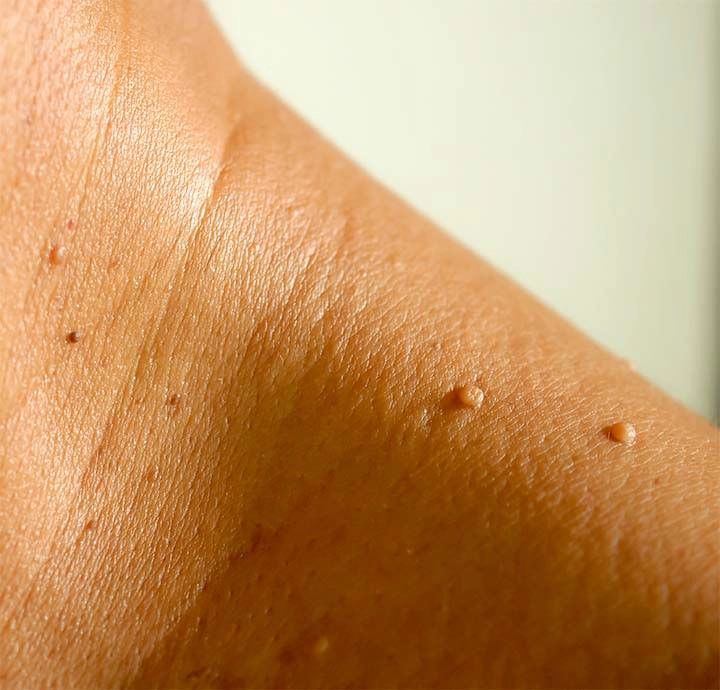
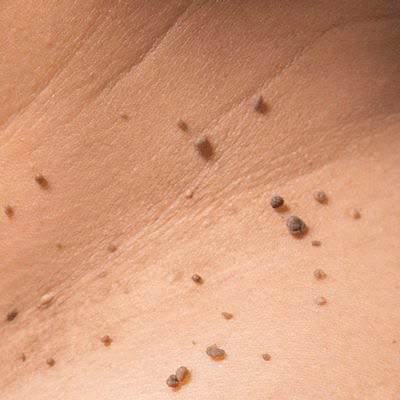
The exact cause is not fully understood, but skin tags are strongly associated with:
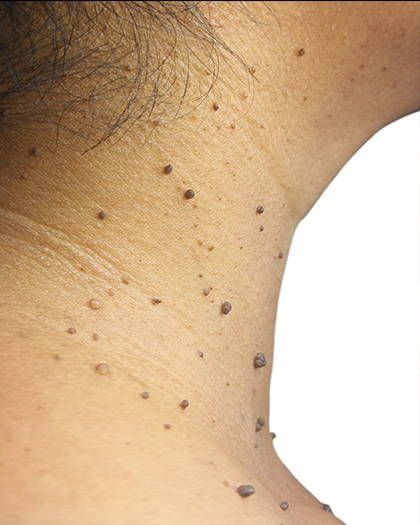
Skin tags form most frequently in areas where skin folds or where clothing and jewellery cause repeated friction:
Your treating doctor will select the most appropriate removal technique based on the size, location, number, and nature of your skin tags following a clinical assessment.
A fine electrocautery tip delivers a precise electrical current that cauterises and removes the skin tag in a single application. One of the most widely used and clinically effective methods — fast, precise, and leaves minimal scarring. Suitable for most skin tag sizes and locations.
Controlled application of liquid nitrogen freezes the skin tag tissue, causing it to necrose and fall off naturally within 7–14 days. Particularly effective for smaller skin tags. Multiple tags can be treated in a single session.
For larger skin tags or those with a broad base, a minor surgical procedure using a sterile scalpel or surgical scissors is performed under local anaesthesia. Quick, precise, and produces immediate removal with a clean result.
Targeted laser energy vaporises the skin tag tissue with high precision, minimising trauma to the surrounding skin. Particularly suited for skin tags on the eyelids, face, or other sensitive areas where precision is paramount.
A sterile thread is tied around the base of the skin tag, cutting off its blood supply. The tag dries out and falls off naturally over several days. Used for larger, pedunculated skin tags.
Step 1 — Medical Consultation and Assessment
A DHA-licensed doctor examines each skin growth to confirm the diagnosis. This step is important — not every skin lesion is a skin tag, and accurate diagnosis rules out moles, warts, sebaceous cysts, or other growths that require different management. Your doctor will also advise on the most appropriate removal technique for your specific tags.
Step 2 — Preparation and Local Anaesthesia
The treatment area is cleaned and — depending on the technique and location — a topical or local anaesthetic is applied to ensure the procedure is comfortable and pain-free.
Step 3 — Removal
The selected removal technique is performed. Most skin tag removal procedures are completed in 15–30 minutes, even when multiple tags are being treated in a single session.
Step 4 — Post-Treatment Care
The treated area is cleaned and dressed if required. Your doctor provides clear aftercare instructions to support healing and minimise the risk of scarring or post-inflammatory pigmentation.
Step 5 — Follow-Up
A follow-up appointment is scheduled where needed to review healing and assess whether any additional tags require a second session.
Condition / Situation | Suitability |
Single or multiple skin tags on neck, underarms, or body | ✔ Excellent candidate |
Skin tags causing friction, discomfort, or catching on clothing | ✔ Excellent candidate |
Skin tags in visible areas affecting confidence | ✔ Excellent candidate |
Skin tags on the eyelids or face | ✔ Good candidate — laser or electrocautery recommended |
Skin tags during pregnancy | ⚠ Defer elective removal until after delivery — consult doctor |
Undiagnosed or atypical skin lesion | ⚠ Medical assessment required before any removal |
Active skin infection in treatment area | ✘ Not suitable until resolved |
Blood thinning medication or clotting disorders | ⚠ Inform doctor before treatment |
Children with skin tags | ⚠ Assessed case by case — consult doctor |
One of the most important reasons to seek professional removal rather than attempting home treatment is accurate diagnosis. Several skin lesions can resemble skin tags but require different — and sometimes urgent — management:
Lesion | Key Distinguishing Features |
Skin tag (acrochordon) | Soft, flesh-coloured, hangs on a stalk, benign |
Wart (verruca) | Rougher surface, cauliflower texture, viral origin, may spread |
Mole (melanocytic naevus) | Flat or raised, pigmented, requires monitoring for changes |
Sebaceous cyst | Dome-shaped, firm, contains keratin — does not hang on a stalk |
Dermatofibroma | Firm, pigmented, dimples inward when pinched |
Molluscum contagiosum | Pearly, dome-shaped, central dimple, viral, contagious |
Melanoma | Irregular border, colour variation, changes over time — urgent assessment required |
At Estelaza Clinic, every skin growth is assessed by a DHA-licensed doctor before removal. We do not remove skin lesions without clinical examination — your safety depends on getting the diagnosis right first.
Many patients are tempted to remove skin tags at home using scissors, thread, or over-the-counter freezing kits. We strongly advise against this for several reasons:
Professional removal by a DHA-licensed doctor at Estelaza Clinic takes minutes and eliminates all of these risks.
Many patients are tempted to remove skin tags at home using scissors, thread, or over-the-counter freezing kits. We strongly advise against this for several reasons:
Patients with medium-to-dark skin tones — common across the UAE’s South Asian, Arab, and African communities — face a specific additional consideration with skin tag removal: post-inflammatory hyperpigmentation (PIH). Any trauma to the skin, including removal procedures, can trigger excess melanin production in the treated area, leaving a dark mark that may take months to fade.
At Estelaza Clinic, our doctors are experienced in minimising PIH risk in all skin tones. We select the removal technique least likely to trigger a pigmentation response for your specific skin type, use the most precise instruments available, and provide aftercare guidance — including prescribed brightening agents where appropriate — to ensure the best possible cosmetic outcome.

Dubai's climate — high humidity, heat, and the friction this causes from clothing and skin folds — creates conditions particularly conducive to skin tag development. It is one of the most common minor skin concerns we see at our clinic, affecting patients from all backgrounds and age groups across the UAE.
At Estelaza Clinic in Dubai Silicon Oasis, we combine clinical precision with genuine care for the cosmetic outcome. Every removal is preceded by a proper medical assessment, performed with sterile technique by a DHA-licensed doctor, and followed by personalised aftercare to protect your skin and minimise any risk of pigmentation or scarring.
Our DSO location is easily accessible from major Dubai highways and Sheikh Mohammed Bin Zayed Road, with complimentary parking available. In most cases, skin tag removal is completed in a single visit — making it one of the most straightforward and satisfying treatments we offer.
The procedure itself is very well tolerated. Topical or local anaesthetic is applied before treatment, making the removal process comfortable and largely pain-free. Patients may feel a brief sting from the anaesthetic injection or a mild sensation during the procedure itself, but significant pain is uncommon. Most patients are surprised by how quick and comfortable the process is.
Multiple skin tags can be treated in a single session in most cases. The number addressed per appointment depends on the size, location, and removal technique being used. Your doctor will advise on the most practical approach at your consultation.
Once a skin tag is fully removed at its base, it does not regrow in the same spot. However, new skin tags may develop in the same general area over time, particularly if the underlying cause — friction, metabolic factors, or hormonal changes — is still present. This is why we address the root causes as part of your consultation.
When performed correctly by an experienced clinician, skin tag removal leaves minimal to no visible scarring in the vast majority of cases. The risk of scarring increases with larger tags and is higher in patients with a history of keloid scarring. Your doctor will discuss the expected cosmetic outcome based on your specific skin type and the tags being removed.
Yes — but the eyelid area requires particular precision and is best treated using laser or fine electrocautery by an experienced doctor. At Estelaza Clinic, we perform eyelid skin tag removal safely and effectively. Inform your doctor at consultation that eyelid tags are a concern so the appropriate technique and instruments are prepared.
No referral is needed. You can book a consultation directly with Estelaza Clinic. Our DHA-licensed doctors will examine the skin growths, confirm the diagnosis, and perform the removal — all in the same or a subsequent appointment depending on the complexity.
Pricing depends on the number of skin tags, their size and location, and the removal technique used. We provide transparent, upfront pricing following your consultation. Contact our team or visit Estelaza Clinic in Dubai Silicon Oasis for a personalised assessment and quote.
Your experiences mean the world to us! At Estelaza Clinic, we love hearing how our treatments make a positive difference in your life. Every review helps us grow, improve, and keep delivering the care you deserve. Thank you for trusting us on your beauty and wellness journey.
EXCELLENTTrustindex verifies that the original source of the review is Google. مكان جدا رائع وخدمه ممتاز شكرا للكادر الطبي والدكتورة ميرل عنجد شغل يجنن مبسوط كتير با النتيجهPosted on GoogleTrustindex verifies that the original source of the review is Google. Dr nouf is the best love her honestly and the staff very friendly and helpfulPosted on GoogleTrustindex verifies that the original source of the review is Google. Lovely stuff and doctor I’m happy with my resultsPosted on GoogleTrustindex verifies that the original source of the review is Google. I had fantastic experience in Estelaza clinic. Staff is very professional and welcoming. Dr Nouf has the most gentle hands. She did a magic contouring my face: (chin, cheeks, jaws) and gave super natural volume to my lips. I feel 10 years younger and super glowy and fresh. Can’t wait to be back after the summer. Thank youPosted on GoogleTrustindex verifies that the original source of the review is Google. كانت تجربتي في العيادة مميزة للغاية، حيث يتميز الطاقم بالرحابة وحسن التعامل، والمواعيد مرنة ومنظمة. كما أن الدكتورة نوف محترفة وهادئة في إجراءاتها التجميلية غير الجراحية. أنصح بشدة بزيارة العيادة، فهي تستحق الثقة والتجربة. 🤍
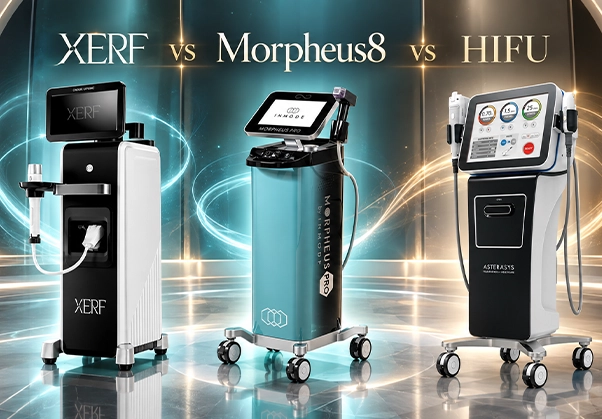
Looking for the best skin tightening treatment in Dubai? The…
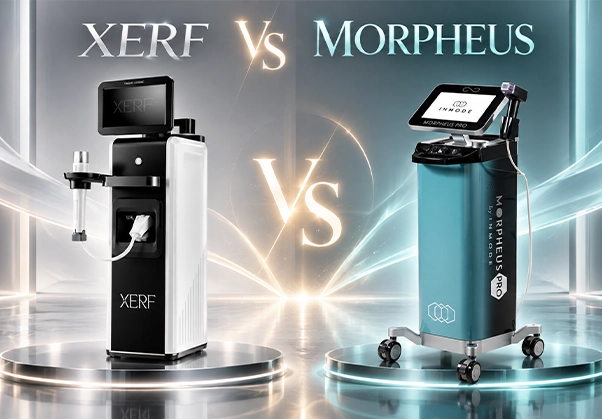
XERF vs Morpheus8 is one of the most common questions…
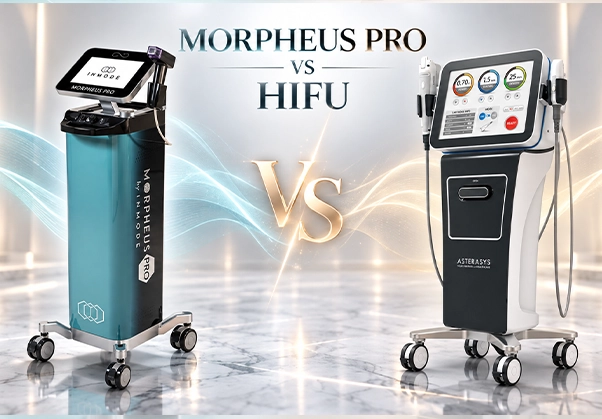
When patients ask about Morpheus8 vs HIFU, they usually want…

Saturday to Thursday: 10:00 to 19:00
Friday: 14:00 to 21:00
© Copyright 2026 by
WhatsApp us