
© Copyright 2026 by
25
September
Best Skin Tightening Treatment in Dubai: XERF vs HIFU vs Morpheus8
Looking for the best skin tightening treatment in Dubai? The…
Scars are the skin's natural response to injury — but for many patients, the mark left behind causes lasting self-consciousness, discomfort, or functional restriction long after the original wound has healed.
Whether the result of acne, surgery, trauma, burns, or a medical procedure, scars can vary enormously in their type, depth, texture, and appearance — and each type responds to a different set of clinical interventions.
At Estelaza Clinic in Dubai Silicon Oasis, our DHA-licensed doctors offer a comprehensive, medically guided approach to scar treatment — beginning with accurate classification of your scar type and tailoring a protocol that addresses its specific structure, not just its surface appearance. From acne scars and keloids to surgical scars and stretch marks, our treatments use clinically proven modalities to reduce visibility, improve texture, and restore confidence.
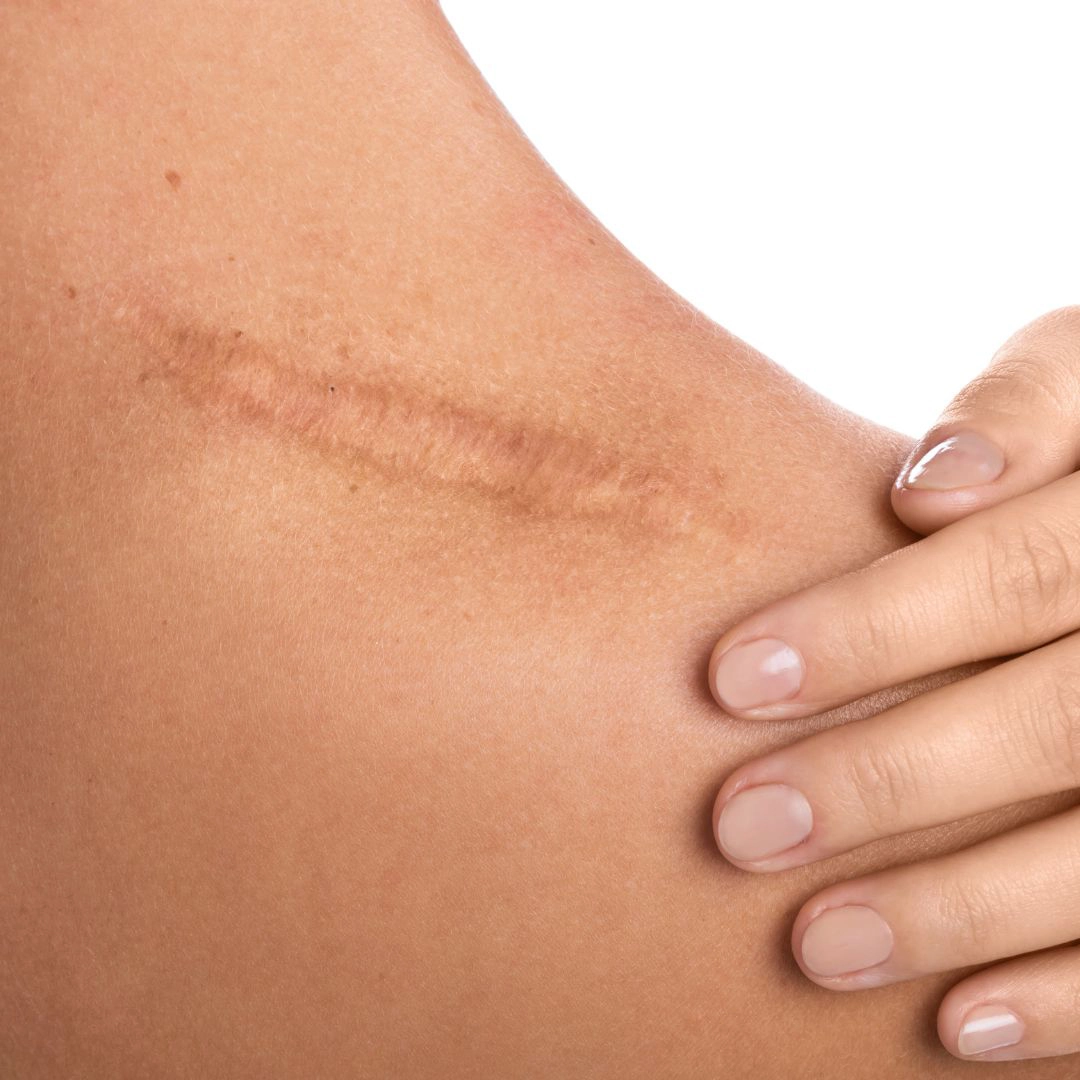
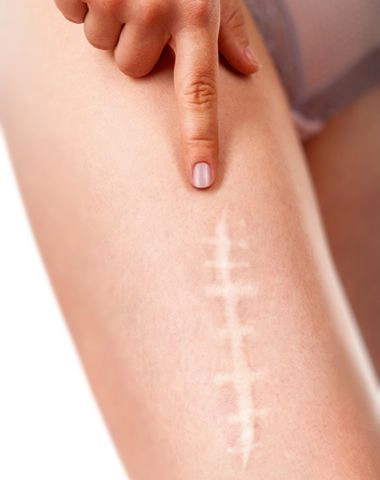
When the skin is injured — whether by acne, a cut, surgery, or a burn — the body initiates a wound-healing cascade.
Fibroblast cells migrate to the injured site and produce collagen to repair the damaged tissue. Under ideal conditions, this collagen is laid down in an organised pattern that closely resembles normal skin. When the healing process is disrupted — by infection, inflammation, tension, or genetic predisposition — the collagen is deposited irregularly, producing the textural, colour, and structural changes we recognise as a scar.
The depth of injury, the body’s individual healing response, and the location of the wound all influence what kind of scar forms. This is why scar treatment cannot follow a one-size-fits-all approach — the biology of each scar type is different, and the treatment must match accordingly.
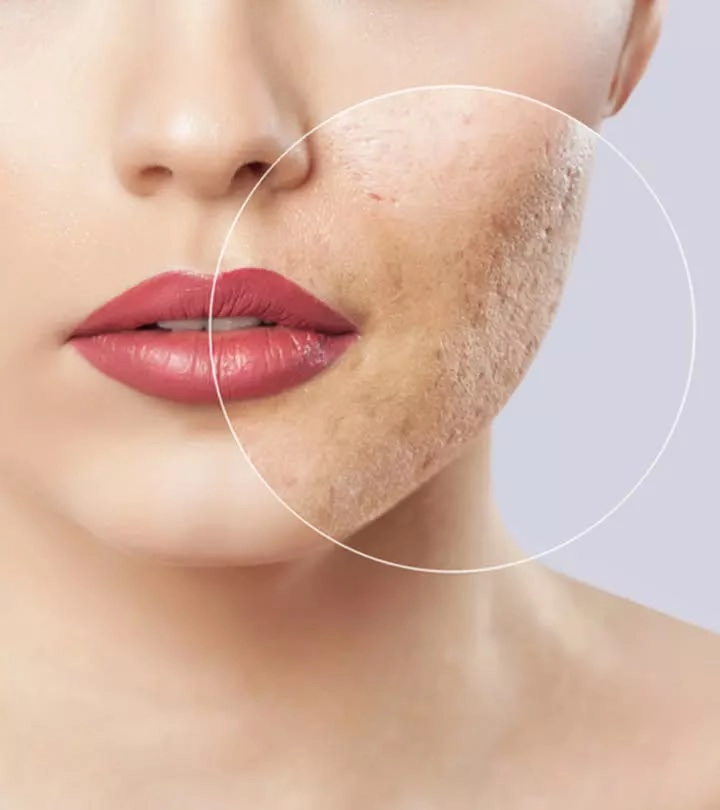
Among the most common concerns in our clinic. Acne scars result from the inflammatory damage caused by moderate-to-severe acne, particularly when lesions are deep, persistent, or picked. They come in several distinct subtypes requiring different treatment approaches: • Ice pick scars: Deep, narrow, V-shaped channels extending into the dermis. The most difficult subtype to treat. • Boxcar scars: Broad, rectangular depressions with defined edges. Respond well to resurfacing and subcision. • Rolling scars: Undulating, wave-like depressions caused by fibrous bands tethering the skin to deeper tissue. Subcision is particularly effective. • Hypertrophic acne scars: Raised, firm scars remaining within the original wound boundary. More common in high-tension areas. • Post-inflammatory hyperpigmentation (PIH): Technically not scarring but frequently coexists — dark marks left after acne inflammation that can persist for months to years.
Keloids are raised, overgrown scars that extend beyond the boundary of the original wound — the result of excessive collagen deposition during healing. They can be itchy, painful, and may continue to grow over time. Keloids have a strong genetic component and are significantly more prevalent in patients with darker skin tones — making them a particularly common concern across the UAE's South Asian, Arab, and African patient communities. Keloid treatment requires a structured, multi-modality approach as they have a tendency to recur.
Similar in appearance to keloids but remaining within the original wound boundary. Hypertrophic scars are raised, firm, and often red or pink — but unlike keloids, they do not invade surrounding skin and tend to improve over time with the right treatment. Common following surgery, trauma, or burns.
Scars resulting from planned surgical procedures — including caesarean sections, appendectomy, cosmetic surgery, and other operations. Surgical scars vary in appearance depending on the closure technique, wound tension, and the patient's healing response. Early intervention produces the best outcomes.
Scars resulting from accidents, lacerations, road traffic injuries, or burns. These may be irregular in shape, raised, depressed, or discoloured — and may benefit significantly from clinical revision to improve both appearance and texture.
Burn scars — particularly those involving the dermis — can cause significant textural, pigmentary, and functional changes. Treatment depends on the burn depth, the age of the scar, and the affected body area.
Stretch marks are a form of dermal scarring caused by rapid stretching of the skin — during pregnancy, rapid weight gain or loss, puberty, or muscle building. Early stretch marks (striae rubrae) appear red or purple and respond best to treatment. Mature stretch marks (striae albae) are white and silvery, representing atrophic scar tissue.
Your treating doctor will recommend the most appropriate protocol — or combination — based on your scar type, age of the scar, skin tone, and the body area involved.
Fine needles create controlled micro-channels in the skin, triggering the body's natural wound-healing response and stimulating new collagen and elastin production. Microneedling is one of the most versatile and evidence-based treatments for acne scars, surgical scars, and stretch marks — and is safe across all Fitzpatrick skin types. It is frequently combined with PRP, PRF, or exosomes to amplify the regenerative response.
Fractional laser resurfacing targets scar tissue with controlled laser energy, stimulating collagen remodelling and progressive scar softening. The Q-switched Nd:YAG laser is used for pigmented scars and post-inflammatory hyperpigmentation. Laser settings are calibrated carefully to your skin tone — particularly important for darker skin types where risk of PIH must be managed.
A minor surgical technique in which a fine needle is inserted beneath rolling and boxcar acne scars to release the fibrous bands tethering the skin to deeper tissue. Once released, the skin lifts and the depressed scar becomes less visible. Subcision is often combined with microneedling, PRP, or filler to further elevate the treated area. It is one of the most effective treatments for rolling acne scars.
Medium-depth chemical peels using TCA, glycolic acid, or Jessner's solution accelerate cell turnover, improve surface pigmentation associated with scarring, and stimulate dermal remodelling. Peel depth and formulation are selected based on scar type and skin tone.
Intralesional corticosteroid injections are a first-line treatment for keloid and hypertrophic scars — flattening raised scar tissue, reducing inflammation, relieving itching, and preventing further growth. A course of injections spaced 4–6 weeks apart progressively reduces scar volume and improves appearance.
Platelet Rich Plasma (PRP) and Platelet Rich Fibrin (PRF) deliver concentrated growth factors directly into scar tissue, stimulating collagen remodelling, improving skin quality, and accelerating the normalisation of scar architecture. Particularly effective when combined with microneedling or subcision.
Exosomes derived from mesenchymal stem cells deliver a powerful regenerative and anti-inflammatory signal into scar tissue — remodelling collagen architecture, reducing pigmentation, and improving overall scar quality at the cellular level. A next-generation option for patients seeking the most advanced biological approach to scar revision.
Small volumes of hyaluronic acid filler are injected beneath deep depressed scars — particularly boxcar and rolling acne scars — to elevate the scar floor and immediately reduce the appearance of shadowing. Results are immediate and complement longer-term collagen-stimulating treatments. A temporary solution that is most effective as part of a combination programme.
Prescription-grade topical silicone — the gold standard in evidence-based scar management — is used to hydrate the stratum corneum and regulate fibroblast activity, reducing collagen overproduction in hypertrophic and keloid scars. Provided as part of a home-care programme alongside in-clinic treatments.
For complex scars — particularly acne scarring covering a large area, keloids with a history of recurrence, or multi-subtype scarring — a structured programme combining multiple modalities in the correct sequence produces significantly superior outcomes to any single treatment approach.
Step 1 — Medical Consultation and Scar Assessment
A DHA-licensed doctor performs a detailed assessment of your scars — classifying each by type, depth, age, and severity. We assess your Fitzpatrick skin type and review your medical history, including any previous scar treatments, medications, and your skin’s healing response. Accurate diagnosis is the foundation of effective scar treatment.
Step 2 — Treatment Planning
A personalised treatment plan is designed based on your scar assessment — specifying the modalities, their sequence, session spacing, and the medical home-care programme to support in-clinic treatment. For complex or multi-type scarring, a staged approach is planned that prioritises the most impactful interventions first.
Step 3 — In-Clinic Treatment
Your selected protocol is performed. Session duration varies by modality — microneedling and laser sessions typically take 30–60 minutes; subcision and injection-based treatments are generally shorter. Topical numbing cream is applied before all procedures involving needles or energy delivery.
Step 4 — Post-Treatment Care
A soothing serum and SPF are applied following every session. Specific aftercare instructions are provided — including prescribed topicals and any activity or product restrictions relevant to your treatment.
Step 5 — Follow-Up and Progress Review
Scar treatment is a staged process. We review your progress at each follow-up, adjust the protocol as your skin responds, and sequence additional modalities as the treatment plan progresses. Most patients require 4–8 sessions over 3–6 months for optimal results.
Scar Type / Condition | Suitability |
Acne scars (rolling, boxcar, ice pick) | ✔ Excellent candidate |
Post-acne hyperpigmentation (PIH) | ✔ Excellent candidate |
Keloid scars | ✔ Good candidate — multi-session programme required |
Hypertrophic scars | ✔ Excellent candidate |
Surgical scars (C-section, appendectomy, etc.) | ✔ Excellent candidate |
Stretch marks (early, red/purple stage) | ✔ Good candidate |
Stretch marks (mature, white/silver stage) | ✔ Moderate candidate — improvement achievable, full removal not possible |
Traumatic or burn scars | ✔ Good candidate — assessed case by case |
Active acne or inflamed skin | ⚠ Active acne must be controlled first — consult doctor |
Very recent scars (under 6 weeks old) | ⚠ Early scars still maturing — timing assessed by doctor |
Pregnant or breastfeeding | ⚠ Certain treatments not advised — consult doctor |
History of keloid formation | ⚠ Informs treatment selection — always inform doctor |
Currently on isotretinoin | ⚠ Pause required — inform doctor at consultation |
Scar treatment in patients with medium-to-dark skin tones — Fitzpatrick types III through VI — requires particular clinical care and expertise. Two specific risks must be managed throughout every stage of treatment:
At Estelaza Clinic, our doctors are specifically trained and experienced in managing scar treatment across the full Fitzpatrick spectrum. We calibrate every treatment parameter — laser energy, peel depth, needle penetration, injection volume — with your skin tone as a primary variable. We take a conservative, stepwise approach that prioritises safety and avoids the complication of PIH adding another layer of concern to your existing scar.

Dubai's diverse patient population — spanning South Asian, Arab, East African, European, and mixed-heritage communities — means that the full spectrum of scar types, skin tones, and genetic healing tendencies is represented in our clinic every day. This diversity demands genuine clinical expertise across the full range of scar presentations, not a limited set of techniques optimised for a single skin type.
Dubai’s environment also plays a role in scar management. High UV exposure accelerates post-inflammatory pigmentation in healing scars, making SPF discipline and careful sun avoidance a clinical necessity throughout any scar treatment programme. Our protocols account for this reality — building sun protection into every stage of treatment.
At Estelaza Clinic in Dubai Silicon Oasis, we offer the full range of medical scar revision modalities under one roof, administered by DHA-licensed doctors who take a methodical, diagnosis-first approach. Our DSO location is easily accessible from major Dubai highways with complimentary parking available.
Complete removal of a scar is not possible with any currently available treatment — surgical or non-surgical. What clinical scar treatment achieves is significant improvement in the scar’s visibility, texture, depth, and pigmentation. Most patients experience a meaningful reduction in how noticeable their scars are, with many achieving results that make the scar difficult to detect under normal conditions. Your doctor will give you an honest assessment of what is achievable for your specific scar at your consultation.
This depends entirely on your scar type, depth, size, age, and the treatment modalities being used. Mild acne scarring may respond well in 3–4 sessions. Complex multi-subtype acne scarring, keloids, or mature stretch marks typically require 6–10 or more sessions over 4–6 months. Your doctor will design a realistic treatment plan at your consultation.
Scars go through active maturation for up to 12–18 months after injury. For most treatments, we recommend waiting until the scar is at least 6–8 weeks old and the wound is fully closed and healed. However, some early interventions — particularly silicone gel and light massage — can be started sooner and are most effective when begun early. Your doctor will advise on the optimal timing based on your specific scar.
Yes — when performed by a clinician experienced in treating diverse skin tones and using protocols calibrated accordingly. At Estelaza Clinic, all scar treatment parameters are adjusted with your Fitzpatrick skin type as a primary variable. We take a conservative approach to energy-based and chemical treatments in darker skin to avoid triggering post-inflammatory hyperpigmentation.
Keloids are one of the most challenging scar types because of their tendency to recur even after successful treatment. Corticosteroid injections, laser therapy, and surgical excision can significantly reduce keloid size and symptoms — but ongoing maintenance and monitoring are essential. The risk of recurrence is higher in patients with a strong genetic predisposition. Your doctor will discuss realistic outcomes and a long-term management strategy at your consultation.
There is no single best treatment for acne scars — because acne scars come in multiple subtypes that respond to different modalities. Rolling scars respond best to subcision combined with PRP or microneedling. Boxcar scars benefit from fractional laser resurfacing, TCA cross, or filler. Ice pick scars are best addressed with TCA cross or punch techniques. Post-acne pigmentation responds to brightening peels, laser toning, and topical actives. Most patients with significant acne scarring benefit most from a combination programme targeting multiple scar subtypes simultaneously.
Pricing depends on the scar type, treatment modality, number of sessions, and the areas involved. We provide transparent, upfront pricing following your consultation. Contact our team or visit Estelaza Clinic in Dubai Silicon Oasis for a personalised scar assessment and quote.
Your experiences mean the world to us! At Estelaza Clinic, we love hearing how our treatments make a positive difference in your life. Every review helps us grow, improve, and keep delivering the care you deserve. Thank you for trusting us on your beauty and wellness journey.
EXCELLENTTrustindex verifies that the original source of the review is Google. مكان جدا رائع وخدمه ممتاز شكرا للكادر الطبي والدكتورة ميرل عنجد شغل يجنن مبسوط كتير با النتيجهPosted on GoogleTrustindex verifies that the original source of the review is Google. Dr nouf is the best love her honestly and the staff very friendly and helpfulPosted on GoogleTrustindex verifies that the original source of the review is Google. Lovely stuff and doctor I’m happy with my resultsPosted on GoogleTrustindex verifies that the original source of the review is Google. I had fantastic experience in Estelaza clinic. Staff is very professional and welcoming. Dr Nouf has the most gentle hands. She did a magic contouring my face: (chin, cheeks, jaws) and gave super natural volume to my lips. I feel 10 years younger and super glowy and fresh. Can’t wait to be back after the summer. Thank youPosted on GoogleTrustindex verifies that the original source of the review is Google. كانت تجربتي في العيادة مميزة للغاية، حيث يتميز الطاقم بالرحابة وحسن التعامل، والمواعيد مرنة ومنظمة. كما أن الدكتورة نوف محترفة وهادئة في إجراءاتها التجميلية غير الجراحية. أنصح بشدة بزيارة العيادة، فهي تستحق الثقة والتجربة. 🤍

Looking for the best skin tightening treatment in Dubai? The…
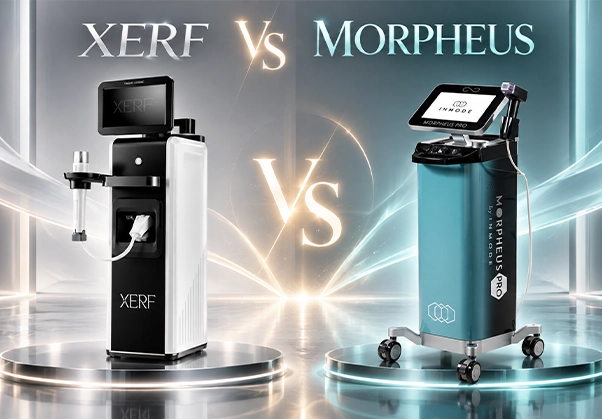
XERF vs Morpheus8 is one of the most common questions…
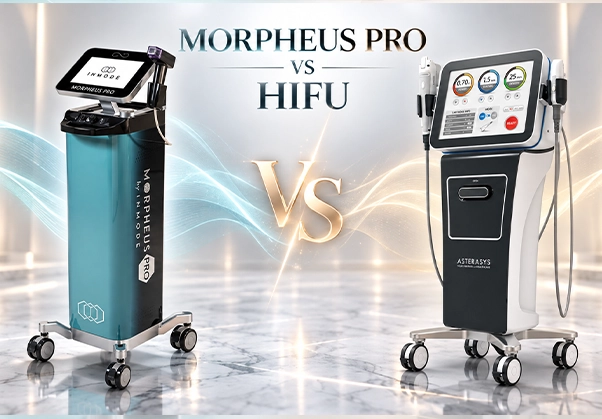
When patients ask about Morpheus8 vs HIFU, they usually want…

Saturday to Thursday: 10:00 to 19:00
Friday: 14:00 to 21:00
© Copyright 2026 by
WhatsApp us